
introduction
The digital marketing trends in 2026 landscape is in a state of perpetual evolution, and promises to be a pivotal year. As technology advances at an unprecedented pace, consumer expectations shift, and the very definition of online interaction expands, brands must be agile, insightful, and deeply connected to their audiences. Gone are the days of simply shouting into the digital void; success in 2026 hinges on providing genuine value, fostering authentic connections, and navigating a complex ecosystem with strategic intelligence. The global digital advertising and marketing market is projected to reach $786.2 billion by 2026, underscoring the immense opportunities and escalating competition within this dynamic field. (Global Digital Advertising and Marketing Market Report, 2021) This evolution is not merely about adopting new tools but about fundamentally rethinking how brands engage, communicate, and build lasting relationships. At its core, effective digital marketing in 2026 is a delicate fusion of cutting-edge Artificial Intelligence, genuine empathy for consumer needs, and unwavering responsibility regarding privacy and ethical conduct. This powerful combination is the bedrock upon which brands can build meaningful value, moving beyond superficial promotion to create experiences that resonate deeply.
digital marketing trends
The year 2026 heralds a new era for digital marketing, characterized by a profound integration of emerging technologies and a heightened focus on authentic human connection. The overarching digital marketing trends indicate a significant pivot towards more intelligent, personalized, and ethical engagement strategies. Brands that once prioritized broad reach are now doubling down on precision, community, and value creation. This shift is driven by a confluence of factors: rapid advancements in Artificial Intelligence and generative AI, evolving consumer search behavior, the growing importance of first-party data, and the continuous innovation within social media and social platforms. Emerging marketing trends are not isolated phenomena but interconnected elements that, when harmonized, form a cohesive strategy for navigating the future.
One of the most impactful transformations is the rise of Augmented Reality (AR) and Virtual Reality (VR) marketing. These Emerging Technologies are moving beyond novelty to become integral tools for creating immersive and interactive brand experiences. Consumers are no longer content with static product images; they want to virtually try on clothing, place furniture in their homes, or explore virtual showrooms. For example, AR applications allow shoppers to visualize products in their own environment using their smartphones, while VR can transport them to entirely new digital spaces for concerts, property tours, or retail experiences. This level of immersion not only boosts engagement but also significantly enhances purchase confidence. The mobile advertising market, valued at USD 214.59 billion in 2024 and projected to reach USD 262.84 billion in 2025, is a fertile ground for these innovations, as mobile devices are the primary gateway for AR experiences.
Furthermore, the landscape of social media and content consumption is being reshaped by the dominance of short-form videos. Platforms like TikTok and Instagram Reels have conditioned audiences for quick, engaging content. YouTube Shorts alone is viewed over 200 billion times per day, demonstrating the insatiable appetite for this format. Brands that master the art of concise, captivating storytelling within these constraints are poised to capture significant attention. This trend also intersects with the burgeoning field of social commerce, where social platforms are increasingly transforming into seamless shopping destinations. The lines between content discovery and purchasing are blurring, driven by features like shoppable videos and direct in-app checkout.
The paramount importance of first-party data cannot be overstated. In an era of increasing privacy regulations and a decline in third-party cookies, brands must prioritize building direct relationships with their customers to collect valuable data ethically. This necessitates robust Customer Data Platforms and clear privacy measures. Understanding customer journey mapping becomes crucial, leveraging first-party data to anticipate needs and deliver hyper-personalized experiences.
Finally, the concept of brand equity is being redefined. It’s no longer just about brand recognition but about building trust, fostering community, and delivering consistent, authentic brand experiences. A strong brand voice that resonates with values and personality is key to cutting through the noise. In this evolving ecosystem, successful digital marketing in 2026 will be characterized by its ability to blend technological sophistication with genuine human connection and ethical practices.
AI-Powered Marketing: From Simple Tool to True Teammate
Artificial Intelligence (AI) has transitioned from a nascent technology to an indispensable operational backbone for modern Digital marketing. In 2026, AI is no longer just a collection of tools; it’s evolved into a strategic partner, enhancing nearly every facet of marketing operations. Today, AI-powered technologies are instrumental in dissecting complex search behavior, anticipating customer needs with remarkable accuracy, and optimizing campaigns in real -time.
At the forefront of this revolution is generative AI. This advanced form of AI can now produce high-quality content, from blog posts and ad copy to intricate visual assets and even video scripts. This capability allows marketers to scale content creation exponentially, ensuring a consistent flow of relevant material across various channels. AI-powered tools are also streamlining campaign management, automating repetitive tasks like data analysis, audience segmentation, and performance tracking. Machine learning algorithms are continuously learning from vast datasets, enabling more precise targeting, predictive analytics, and dynamic optimization of ad spend.
Beyond content and analytics, AI is enhancing customer interaction through sophisticated AI assistants and the emerging concept of Agentic AI. These AI assistants can handle complex customer queries, provide personalized recommendations, and even manage intricate customer service workflows, freeing up human marketers to focus on strategic initiatives. DeepFleet AI, for instance, exemplifies the potential for AI to manage and optimize complex logistical and operational tasks within marketing. The integration of AI into search is also profoundly impactful. AI Search Optimization (AISO) is becoming critical, requiring marketers to adapt their strategies to the nuanced understanding of AI-powered search engines. This means focusing on entity-rich topical depth and structured data to ensure content is discoverable and relevant.
However, the increasing reliance on AI also brings ethical considerations to the forefront. AI fluency – the ability for marketers to understand and effectively leverage AI – is becoming a crucial skill. Equally important is AI transparency. Brands must be open about their use of AI, particularly in content generation and personalization, to maintain trust with their audience. The goal is to use AI as a powerful teammate, amplifying human creativity and strategic thinking, rather than as a replacement for genuine connection. Ultimately, AI integration in 2026 empowers marketers to operate with unprecedented efficiency, precision, and insight, driving more meaningful brand experiences.
Hyper-Personalization Becomes Expected, Not Impressive
By 2026, the concept of personalization has fundamentally shifted from a delightful surprise to a baseline expectation for consumers. Generic marketing messages and superficial name insertions are no longer sufficient to capture attention or build loyalty. Instead, customers anticipate and demand brand experiences that are acutely tailored to their individual interests, current behaviors, and immediate needs. This evolution necessitates a sophisticated approach to customer journey mapping, where every touchpoint is informed by a deep understanding of the individual.
Brands are now leveraging real-time data, often derived from first-party data collection, to dynamically adjust product recommendations, personalize discounts, modify website layouts, and even tailor the tone of their communication. This moves beyond broad demographic segmentation to a granular, individual-level approach. For instance, a consumer browsing specific product categories might see tailored promotions appear immediately, or a returning visitor might be greeted with content relevant to their past interactions. This hyper-personalization makes customers feel genuinely seen, valued, and understood, which is a powerful driver of brand equity and long-term customer loyalty.
However, this powerful capability comes with a critical caveat: the line between personalized and intrusive is finer than ever. Without explicit consent and clear privacy measures, hyper-personalization can feel unsettling or even alarming to consumers. Therefore, transparency about data usage and a commitment to ethical data practices are non-negotiable. Brands must ensure that their personalization efforts provide tangible value to the customer and are implemented with respect for their privacy. The true mark of success in 2026 will be the ability to deliver hyper-personalized experiences that feel helpful and intuitive, rather than invasive, thereby strengthening trust and reinforcing a positive brand voice.
Search Becomes Conversational
The traditional paradigm of typing short, keyword-laden queries into search engines is rapidly becoming antiquated in 2026. Instead, consumer search behavior is increasingly characterized by conversational, natural language queries. Users are more inclined to ask full questions, engage with voice assistants, or even use visual search tools to find the information they need. This shift fundamentally redefines how brands and content creators must approach search optimization.
Modern AI-powered search engines, such as Google and Bing Copilot, are now exceptionally adept at understanding the nuances of conversational language. They can interpret complex questions, summarize information from various sources, compare options, offer direct recommendations, and even handle follow-up inquiries in a fluid, dialogue-like manner. This capability means that older SEO tactics, like keyword stuffing or focusing solely on exact match keywords, are diminishing in effectiveness. The emphasis is now on providing comprehensive, trustworthy, and contextually rich answers that directly address the user’s intent.
For brands aiming to maintain visibility, the strategy must pivot towards creating content that reads as if it’s having a direct conversation with the user. This involves anticipating the questions potential customers might ask at different stages of their customer journey mapping and providing clear, helpful, and authoritative responses. Entity-rich topical depth is becoming a key differentiator, as search engines are better equipped to understand the broader context and relationships between concepts. Successfully optimizing for conversational search means being genuinely helpful and accessible, ensuring that your brand’s expertise is readily discoverable, regardless of how a user chooses to phrase their query. This also ties directly into the growing importance of featured snippets, which often provide direct answers to conversational queries.
Voice, Visual, and Multimodal Search Step Forward
In 2026, the act of searching for information online has evolved far beyond the familiar interface of typing keywords into a search bar. Consumers are increasingly interacting with technology through more natural and diverse means, including speaking questions into smart devices, uploading images to identify products or find similar items, and utilizing sophisticated AI tools to articulate needs even when they lack precise terminology. This significant evolution towards voice, visual, and multimodal search is fundamentally altering the landscape of search optimization and impacting consumer search behavior.
I think, the implication for marketers is clear: optimizing solely for traditional keywords is no longer a sufficient strategy. Websites and content must now be engineered to accommodate natural language queries, ensuring that images are not only descriptive but also highly relevant and accurately tagged with alt text. Providing rich contextual information within content is crucial for helping AI systems understand the underlying meaning and intent of a search. The guiding principle is straightforward: if a human can ask a question or describe something, AI tools can process it, and therefore, marketers must optimize their content to be discoverable through these new modalities.
This includes embracing Augmented Reality (AR) in product discovery. Tools like Google Lens allow users to search for products using their camera, providing a direct pathway from visual recognition to potential purchase. This necessitates that product imagery is not only high-quality but also semantically rich and linked to detailed product information. The rise of AI assistants and AI Search Optimization further emphasizes the need for structured and easily digestible data. Content that is well-organized, uses clear headings, and incorporates relevant structured data will be more readily understood and utilized by AI algorithms.
Moreover, the concept of short-form videos is not limited to entertainment; it’s also influencing how information is consumed and searched. Engaging video content that directly answers questions or demonstrates products can significantly impact search visibility. The goal for marketers is to create content that is not only human-readable but also machine-understandable, ensuring discoverability across the myriad ways people now seek information. This holistic approach to search optimization requires a deep understanding of user intent, rich content creation, and a forward-thinking embrace of Emerging Technologies.
Data + Creativity = The New Marketing Power Duo
In 2026, the most potent marketing strategies are forged at the intersection of rigorous data analysis and imaginative creative execution. The historical dichotomy between data-driven analysts and emotive storytellers is dissolving; success now lies in the seamless integration of both disciplines. Data provides the crucial “what,” “when,” and “how often” of consumer behavior, offering insights into engagement patterns, conversion rates, and customer retention. Creativity, on the other hand, delves into the “why”—explaining emotional drivers, forging meaningful connections, and ensuring a brand is not just remembered but felt.
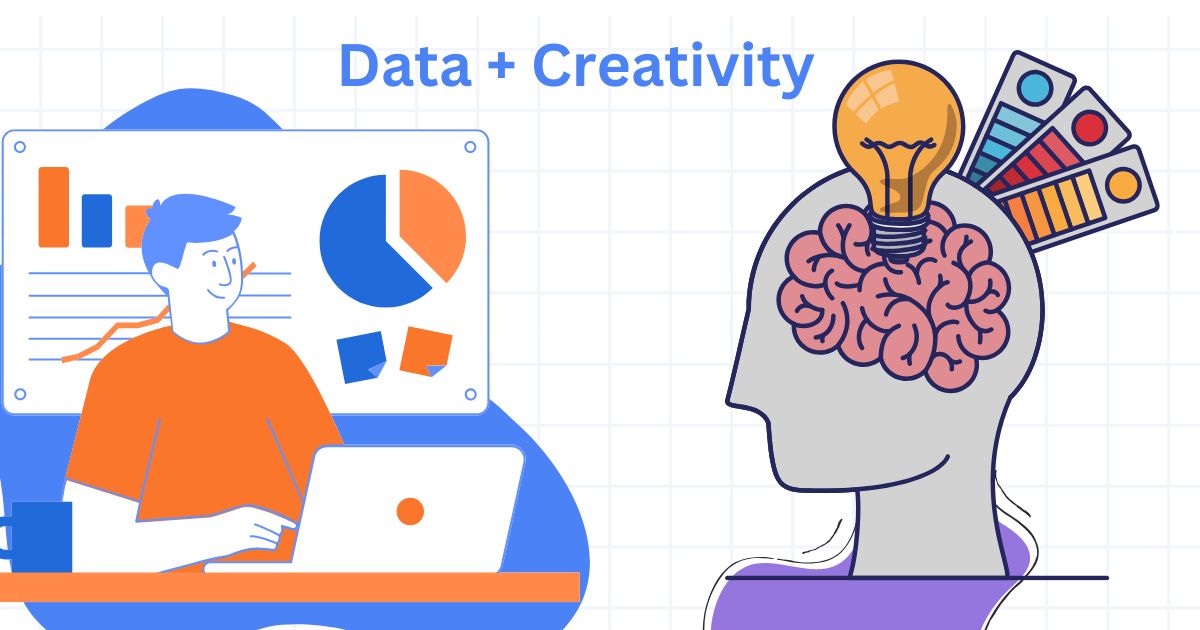
Companies that master this dual approach treat marketing as both a science and an art. They leverage data-driven insights to inform their creative direction, ensuring that campaigns are strategically sound and targeted effectively. Simultaneously, compelling storytelling makes abstract data points resonate, transforming metrics into relatable narratives. This synergy allows for the creation of campaigns that are not only measurable and efficient but also emotionally engaging, ethical, and aligned with the evolving values of modern consumers. The result is marketing that builds not just transactions, but enduring brand equity and profound brand experiences. The integration of machine learning further amplifies this power, enabling predictive insights that guide creative development and optimize campaign delivery with unprecedented precision.
Demerits of Digital Marketing Trends in 2026
While the digital marketing trends of 2026 offer immense opportunities, they also present significant challenges that marketers must navigate carefully.
One prominent concern is the high cost associated with advanced marketing technologies and strategies. Implementing sophisticated generative AI tools, producing high-quality short-form videos, and executing hyper-personalized campaigns can incur substantial expenses, posing a barrier for smaller businesses or those with limited budgets.
The over-reliance on AI ads and automated processes, while efficient, risks diminishing human creativity and leading to AI integration that feels impersonal or robotic. This can dilute the brand voice and create a disconnect with consumers seeking authentic interactions. Moreover, the evolving regulatory landscape and stricter privacy measures limit traditional tracking and the extensive use of third-party data. This necessitates a greater reliance on first-party data, which can be more challenging to collect and manage, making audience targeting more complex for some.
The digital space is also experiencing significant content saturation. With the proliferation of short-form videos, social commerce, and influencer marketing, standing out amidst the noise becomes increasingly difficult. Brands need innovative strategies to capture audience attention and differentiate themselves.
A significant vulnerability lies in the dependence on platforms. Social commerce and creator partnerships are heavily reliant on third-party social platforms, which can exert considerable control over reach, algorithm changes, and operational rules, posing a risk to campaign consistency and brand autonomy. The increasingly complex search optimization landscape, with the rise of voice, visual, and AI-driven search, requires continuous adaptation and investment in new skill sets.
Furthermore, the push for immersive experiences and blockchain technology introduces complexities. While offering novel ways to build brand equity and digital ownership, these technologies require significant investment in development and may not yet have widespread consumer adoption, potentially leading to inefficient ad spend. The need for enhanced privacy-focused strategies also adds complexity, requiring careful compliance with new regulatory demands, such as the Audiovisual Media Services Directive, ensuring Regulatory Compliance is maintained. Navigating these challenges requires strategic foresight, ethical considerations, and a balanced approach that combines technological innovation with a deep understanding of human psychology and evolving consumer expectations.
Conclusion
Digital marketing trends in 2026 is an intricate, dynamic, and profoundly human endeavor, far removed from the simplistic promotional tactics of the past. The confluence of advanced Artificial Intelligence, evolving consumer search behavior, and the paramount importance of data privacy has reshaped the entire landscape. Opportunities for creating hyper-personalized brand experiences, fostering authentic community engagement through social media, and leveraging Emerging Technologies like Augmented Reality are immense.
However, this era of innovation is not without its complexities. The escalating costs of advanced tools, the potential for AI to depersonalize interactions, and the challenges of navigating a tightening regulatory landscape demand strategic foresight and ethical responsibility. Brands must prioritize building brand equity through genuine value and trustworthy practices, rather than solely through persuasive tactics. The increasing emphasis on first-party data underscores the need for transparent and consent-driven relationships, reinforcing the core tenets of privacy-first marketing.
Success in 2026 hinges on a delicate equilibrium: balancing the efficiency and predictive power of AI integration with the irreplaceable value of human creativity, empathy, and authentic connection. Brands that thrive will be those that master the art of building strong content ecosystems, cultivate a clear and resonant brand voice, and continually adapt their customer journey mapping to meet evolving expectations. By embracing these digital marketing trends with intelligence, agility, and a commitment to ethical practices, businesses can forge deeper connections with their audiences, drive meaningful engagement, and achieve sustainable growth in the years ahead.
The future of Digital marketing is here, and it requires a blend of sophisticated technology and a deeply human touch.
FAQ
1. What are the most important digital marketing trends in 2026?
The most important digital marketing trends in 2026 include AI-powered content creation, conversational search, short-form video growth, social commerce, privacy-first marketing, creator-led communities, hyperlocal targeting, and ethical branding. Brands that focus on trust, personalization, and user experience are performing best.
2. How is AI changing digital marketing in 2026?
AI is transforming digital marketing by creating content, predicting customer behavior, optimizing ad campaigns, and improving personalization. However, brands must use AI ethically, maintain originality, and ensure human oversight to build long-term trust.
3. Why is conversational search important for SEO in 2026?
Search behavior has shifted from short keywords to full questions and voice-based queries. Conversational search helps users get direct answers, so brands must optimize content using natural language, FAQs, and context-based information instead of keyword stuffing.
4. Is short-form video enough for marketing success in 2026?
No. While short-form videos are excellent for grabbing attention, long-form content is still essential for building trust, authority, and deeper relationships. Successful brands balance both formats.
5. What is social commerce and why is it growing?
Social commerce allows users to discover, review, and buy products directly within social media platforms. Its growth is driven by convenience, creator recommendations, real-time reviews, and seamless checkout experiences.
6. How does privacy-first marketing affect businesses?
Privacy-first marketing focuses on first-party data and user consent instead of third-party tracking. Businesses that respect data privacy and are transparent about data use build stronger trust and long-term customer loyalty.