The gaming landscape in 2026 is more demanding than ever. With next-generation game engines, larger open worlds, smarter AI systems, and higher refresh rate displays becoming mainstream, choosing the right processor is no longer optional—it is essential. While graphics cards often steal the spotlight, the CPU remains the backbone of a smooth, responsive gaming experience.
Whether you are building a brand-new gaming PC, upgrading an aging system, or planning a future-proof setup, this guide will help you choose the best processor for gaming in 2026 based on real-world performance, value, and long-term usability.
Why Choosing the Right Gaming CPU Matters in 2026
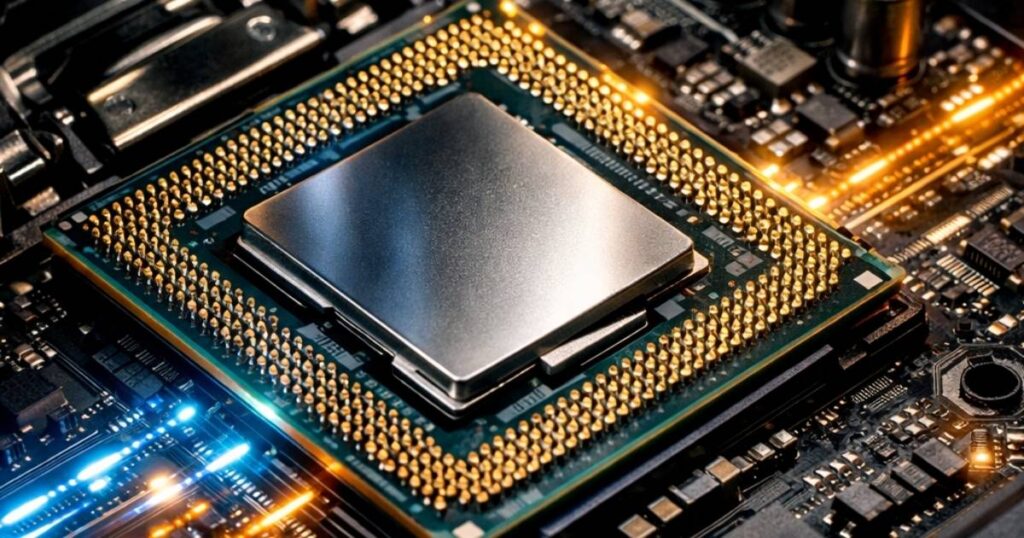
Modern games rely heavily on the processor for tasks beyond raw graphics rendering. The CPU handles:
- Game logic and physics calculations
- Artificial intelligence behavior
- World streaming and asset loading
- Multiplayer networking processes
- Background applications like voice chat, streaming, and recording
In 2026, many AAA titles and competitive esports games are optimized to use multiple CPU cores. However, single-core performance still plays a major role, especially in fast-paced shooters and simulation-heavy games.
A weak processor can bottleneck even the most powerful GPU, resulting in lower frame rates, stuttering, and inconsistent performance. Choosing the right CPU ensures that your graphics card performs at its full potential.
How Gaming CPUs Have Evolved in Recent Years
Compared to earlier generations, modern processors in 2026 offer:
- Higher instructions per clock (IPC)
- Larger L3 cache sizes for reduced latency
- Better power efficiency and thermal management
- Improved DDR5 memory support
- Smarter boost algorithms for gaming workloads
These advancements mean that even mid-range CPUs today outperform high-end processors from just a few years ago. This is good news for gamers on a budget, as strong gaming performance is now more accessible than ever.
Key Factors to Consider When Buying a Gaming Processor
Before selecting a CPU, it is important to understand the specifications that actually matter for gaming.
1. Core Count and Threads
Most modern games perform optimally with 6 to 8 cores. This configuration provides enough processing power for gaming while leaving room for background tasks.
- 6 cores / 12 threads: Ideal for budget and mid-range gaming
- 8 cores / 16 threads: Best balance for gaming and streaming
- 12+ cores: Useful for content creation and heavy multitasking
For gaming alone, higher core counts offer diminishing returns. Spending more on extra cores rarely improves FPS significantly.
2. Clock Speed and Boost Performance
Clock speed directly impacts how fast a processor can execute instructions. In gaming, higher boost clocks often result in better performance, especially in CPU-bound titles.
Look for processors with strong single-core boost speeds rather than focusing only on base clock numbers.
3. Cache Size and Latency
Larger cache sizes, particularly L3 cache, help reduce memory latency. This leads to smoother gameplay and better minimum frame rates in many modern games.
In recent years, cache-heavy processors have proven especially effective in open-world and simulation-based titles.
4. Platform Compatibility and Longevity
Before buying a processor, consider:
- Motherboard socket compatibility
- DDR5 memory support
- PCIe generation support
- Upgrade path for future CPUs
Choosing a modern platform ensures you can upgrade later without replacing your entire system.
5. Power Consumption and Cooling
High-performance processors often require robust cooling solutions. Make sure your power supply and CPU cooler are adequate for the processor you choose.
Efficient CPUs not only run cooler but also reduce long-term power costs.
When planning your gaming PC build around a high-performance processor, it’s useful to consider the broader ecosystem of components. For example, GetURtech’s guide on building a gaming PC with the best components offers practical tips on choosing complementary parts like motherboards, graphics cards, and RAM to avoid compatibility issues (https://geturtech.com/best-components-to-build-a-gaming-pc/) Get UR Tech. Additionally, exploring GetURtech’s PC component category can help you dive deeper into individual hardware recommendations and performance considerations that affect overall system responsiveness and longevity (https://geturtech.com/category/pc-component/) Get UR Tech.
Best Processors for Gaming in 2026 (By Category)
Instead of focusing on specific model numbers, this guide categorizes the best gaming processors based on use cases. This approach remains relevant even as new CPUs are released.
Best Overall Processor for Gaming
High-end flagship processors dominate gaming benchmarks in 2026. They feature:
- Exceptional single-core performance
- Large cache capacities
- Advanced boost algorithms
- Strong multitasking capabilities
These CPUs are ideal for gamers who want maximum FPS, smooth performance in CPU-heavy games, and long-term future-proofing.
Best for:
- Competitive esports players
- High-refresh-rate (144Hz–360Hz) gaming
- Premium gaming setups with flagship GPUs
Best Mid-Range Processor for Gaming
Mid-range CPUs offer the best value for most gamers. They deliver performance close to high-end processors in real-world gaming, at a significantly lower cost.
These processors handle modern games effortlessly and are more than capable of supporting high-end graphics cards.
Best for:
- 1080p and 1440p gaming
- Budget-conscious enthusiasts
- Long gaming sessions without overheating
Best Budget Processor for Gaming
Budget gaming processors in 2026 are surprisingly capable. While they may not top benchmark charts, they deliver excellent performance in esports titles and many AAA games when paired with a decent GPU.
Best for:
- Entry-level gaming PCs
- Casual and competitive esports gaming
- First-time PC builders
Best Processor for Gaming and Streaming
If you plan to game while streaming or recording content, a processor with higher core and thread counts is essential. These CPUs maintain stable performance across multiple tasks without compromising gameplay.
Best for:
- Twitch and YouTube creators
- Gaming plus video editing
- Heavy multitasking environments
AMD vs Intel: Which Is Better for Gaming in 2026?
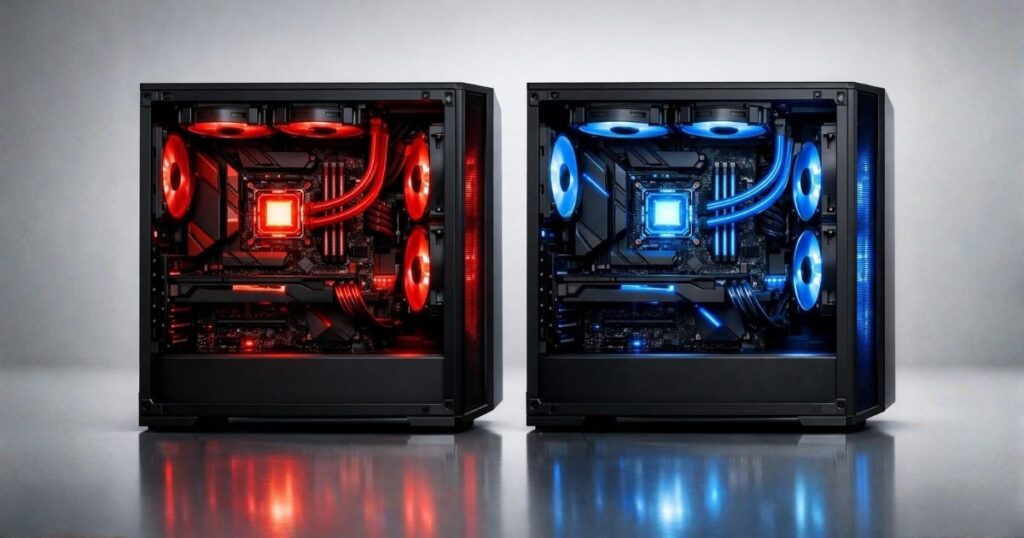
The AMD vs Intel debate remains relevant in 2026, but the gap between the two is smaller than ever.
AMD Strengths
- Excellent cache performance
- Strong efficiency and thermals
- Long-term platform support
- Competitive pricing in mid-range segments
Intel Strengths
- Strong single-core performance
- Excellent performance in competitive titles
- Broad motherboard availability
For most gamers, the best choice depends on pricing, local availability, and motherboard compatibility rather than brand preference.
Gaming Performance by Resolution
1080p Gaming
At 1080p, the CPU plays a major role in performance. High clock speeds and strong single-core performance matter most, especially for competitive gaming.
1440p Gaming
This resolution strikes a balance between CPU and GPU load. A modern 6–8 core processor is more than sufficient for smooth gameplay.
4K Gaming
At 4K, the GPU becomes the primary performance factor. While CPU choice is less critical, using a modern processor still prevents bottlenecks and ensures smooth system performance.
Common Mistakes Gamers Make When Buying a CPU
Many gamers overspend or make poor choices when selecting a processor. Avoid these common mistakes:
- Buying an expensive CPU while using a weak GPU
- Choosing too many cores with low clock speeds
- Ignoring motherboard and RAM compatibility
- Skipping proper cooling solutions
- Purchasing outdated platforms with no upgrade path
Balanced component selection always delivers better real-world performance.
How to Pair Your CPU with the Right GPU
A well-balanced system ensures neither component limits the other.
- Mid-range CPU + mid-range GPU = best value
- High-end CPU + flagship GPU = premium performance
- Budget CPU + high-end GPU = potential bottleneck
For most gamers, investing slightly more in the GPU yields better performance gains than overspending on the CPU.
Future-Proofing Your Gaming PC in 2026
To future-proof your system:
- Choose a modern CPU platform
- Opt for DDR5 memory
- Ensure PCIe compatibility
- Avoid outdated sockets
- Buy based on real performance, not hype
Gaming hardware evolves quickly, but smart choices can extend your system’s lifespan significantly.
To better understand why choosing the right processor matters for gaming in 2026, it is helpful to review real-world CPU gaming benchmarks from trusted hardware experts such as Tom’s Hardware (https://www.tomshardware.com/reviews/cpu-hierarchy,4312.html), which compare processors across modern games and resolutions. Additionally, gaining insight into how modern CPUs impact gaming performance through in-depth technical analysis from AnandTech (https://www.anandtech.com/show/9793/understanding-cpu-performance) explains why factors like clock speed, cache size, and architecture play a critical role in achieving smooth and consistent frame rates.
Final Verdict: What Is the Best Processor for Gaming in 2026?
The best processor for gaming in 2026 depends on your budget and usage. For most gamers, a mid-range CPU offers the perfect balance of price and performance. Enthusiasts and streamers benefit from higher-end processors, while budget gamers can still enjoy excellent performance with entry-level options.
Rather than chasing the most expensive CPU, focus on balanced system design. Pair your processor with a capable GPU, adequate cooling, and fast memory to enjoy smooth, immersive gaming for years to come.
1. What is the best processor for gaming in 2026?
The best processor for gaming in 2026 is one that offers strong single-core performance, modern architecture, and sufficient cores (6–8) to handle current and upcoming games. Mid-range and high-end CPUs from leading brands deliver excellent gaming performance when paired with a capable GPU.
2. How many cores are needed for gaming in 2026?
Most games in 2026 perform best with 6 to 8 cores. While games can utilize more cores, higher core counts mainly benefit streaming, multitasking, and content creation rather than improving in-game FPS.
3. Is a high-end CPU necessary for gaming?
A high-end CPU is not necessary for most gamers. Mid-range processors offer nearly the same gaming performance at a lower cost. High-end CPUs are ideal for enthusiasts, competitive gamers, and users who stream or multitask heavily.
4. Does CPU choice matter more than GPU for gaming?
Both components are important, but the GPU has a greater impact on gaming performance, especially at higher resolutions. However, a weak CPU can bottleneck a powerful GPU, so a balanced system is essential.
5. Is AMD or Intel better for gaming in 2026?
Both AMD and Intel offer excellent gaming processors in 2026. AMD CPUs are known for efficiency and cache performance, while Intel CPUs often excel in single-core speeds. The best choice depends on pricing, motherboard compatibility, and availability.